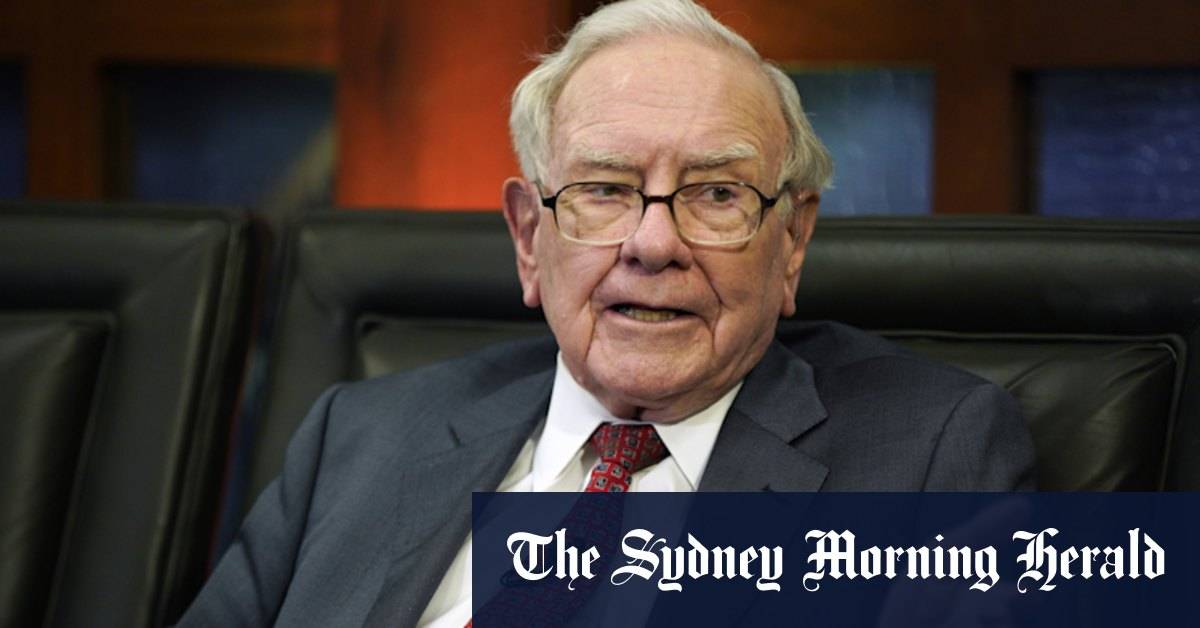
Warren Buffett’s company takes a $5.9 billion hit on his bet on an icon that has gone wrong
⏳ TL;DR
- Berkshire Hathaway took a $5.9 billion impairment on its Kraft Heinz stake, down from over $17 billion in 2017
- The investment has lost 62% value since 2020 while the S&P 500 rose 202%
- Buffett’s company gave up board seats at Kraft Heinz and now reports earnings with a one-quarter lag
- Berkshire’s cash pile dropped to $344 billion—the first decline in three years
✍️ The Story
Warren Buffett, the Oracle of Omaha, just took a rare hit to his legendary investing record—not with a new bet, but with an old one that went sideways. Berkshire Hathaway marked down its stake in Kraft Heinz by $5.9 billion, bringing the value of the holding to just $8.4 billion. That’s less than half of what it was when Buffett helped engineer the merger between Kraft and Heinz about a decade ago.
It’s not just a number—it’s a story of hubris, timing, and shifting consumer tastes. While Buffett still holds a 27.4% stake, the stock has plummeted 62% since 2020, while the broader market soared 202%. Analysts like Kyle Sanders at Edward Jones say this writedown was long overdue: "You could argue they should have done it a couple of years ago."
The move also signals a subtle retreat. In May, Berkshire stepped off Kraft Heinz’s board—a symbolic shift that means Buffett’s team now gets only public disclosures, not insider access. And because of that, Berkshire will now report its share of Kraft Heinz profits with a one-quarter delay. It’s a sign that even the most patient investor is starting to question whether this bet is worth holding onto.
But it’s not all gloom. Berkshire’s other businesses—like its railroads (BNSF) and utilities—are thriving. BNSF posted a 19% jump in earnings, thanks to productivity gains and lower taxes. Meanwhile, the company’s utility arm grew operating profits by 7%, despite uncertainty around clean energy policies under Trump’s tax law.
Still, Buffett’s cash pile—his famous war chest—dropped for the first time in three years to $344 billion. He’s been cautious lately, selling $3 billion in equities and skipping buybacks in his own stock, which has fallen 12% since he announced his retirement as CEO. As Sanders puts it: "They’re just not willing to pull the trigger on the things that would make the stock work."
This isn’t just about Kraft Heinz—it’s about how even legends adapt when the world changes faster than their playbook.
🔥 Why It Matters
- A $5.9 billion write-down shows even Buffett can misread a market trend
- The move may pave the way for Berkshire to exit the position entirely
- Buffett’s cautious stance could hurt Berkshire’s stock performance relative to peers
🔗 How It Connects
Sources
Play
Thanks for providing the link. However, please specify which specific article or topic you'd like a summary on regarding reactions and opinions. This will help focus the analysis on the relevant content.